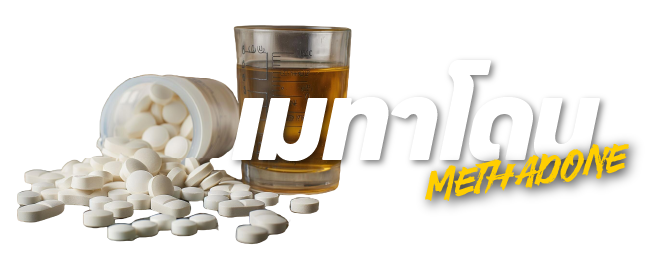
Methadone is a synthetic substance derived from opium, but has a milder effect. It is used as a treatment for opium and heroin addiction. It helps to suppress the intoxication caused by opium and heroin use, and reduces withdrawal symptoms and drug addiction. It is prescribed only at treatment clinics under the supervision of pharmacists and trained specialists.
Methadone is an oral medication that comes in both pill and liquid forms.
Currently, hospitals only dispense methadone in liquid form to patients undergoing treatment at the facility to prevent misuse.
There is no safe level of drug or substance use. All substance use carries risks. The effectiveness of methadone in each person depends on several factors, including:
The user’s weight
The user’s physical and mental health
The frequency of use
The combination with other drugs or substances, such as prescription drugs
The amount used
Common side effects of methadone include:
Drowsiness
Dizziness, nausea, vomiting
Profuse sweating
Constipation
Difficulty urinating
If you experience any of the following serious side effects, stop taking the drug and see a doctor immediately:
Severe constipation
Dizziness, feeling faint
Irregular heartbeat, chest pain, palpitations
Long-term use of methadone or other synthetic opiates may increase the risk of infertility in both men and women.
Methadone side effects vary from person to person. Your doctor will adjust your dosage to suit your body’s needs. Changing your dosage on your own can lead to serious side effects or a life-threatening overdose.
If you or someone you know experiences any of the following symptoms after taking the drug, call an ambulance immediately:
Nausea, vomiting
Pupil constriction
Drowsiness
Cold body
Slowed breathing
Low blood pressure
Seizures
Emergency numbers
Bangkok Emergency Medical Unit 1646
Nationwide Emergency Medical Unit 1669
Methadone + depressants such as alcohol/benzodiazepines increase the central nervous system depressant effect, causing low blood pressure, extreme drowsiness, respiratory depression, which can be life-threatening.
There have been no reports of any harmful health interactions between PrEP and methadone.
If you take Pep medicine that contains PI (Protease Inhibitors) together with amphetamine, it may cause a drug reaction and have negative effects on your health. You should consult a specialist doctor to closely monitor your symptoms and adjust the dosage and duration of use. If you go to a clinic that is affiliated with TestBKK, we assure you that you will not face any problems in disclosing your drug history.
You are HIV positive and taking NNRTIs such as Efavirenz (EFV), and PIs such as Lopinavir/Ritonavir (LPV/r) together with methadone. This will lower the level of methadone in your blood, which can lead to withdrawal symptoms.
Never take methadone together with Saquinavir (SQV).
If you are living with HIV and taking methadone, you should consult a medical professional to closely monitor your symptoms, adjust your dose, and duration of use. If you go to a clinic that is affiliated with TestBKK, we assure you that you will not face any problems in disclosing your drug history.
Methadone is a drug that helps treat addiction to opiates, such as heroin, and treats cravings and withdrawal symptoms.
How effective is it?
Methadone treatment is most effective when combined with a comprehensive treatment plan that takes into account the physical, psychological, and environmental factors that influence heroin use.
For example, a treatment plan may include counseling, alternative treatment options, and the development of a support network.
Methadone treatment may not be successful for everyone, and it is important to work closely with a medical professional to determine the most effective treatment.
If you are concerned about your drug addiction or have a mental health problem related to your substance use, don’t keep it to yourself. Talk to a professional. Whether you are calling for psychological counseling, if you are having suicidal thoughts or feeling stressed, or just want to find out more about the right health services for you, it is free and your information will be kept confidential.
Find a hotline for information and advice
Drop-in centers offer services that can help reduce the health risks associated with drug use, such as clean syringes. If you have a goal to reduce your drug use, these drop-in centers can help. You can be sure that you will receive services in a safe space with friendly and supportive staff.
Find a drug use reduction service
If you are looking for treatment and rehabilitation services, there are many clinics that can help you achieve your drug reduction and cessation goals. They offer both inpatient and outpatient services, from preparation to detoxification, rehabilitation and follow-up.
Find a treatment and rehabilitation clinic
Regular blood and STD testing, at least every three months, is important for your health. If you visit a clinic that is affiliated with testBKK, we can assure you that you will not face any problems in disclosing your drug use history. You can also book a blood test in advance, which will help you avoid waiting in line. Get a quick, confidential and anonymous test.
Book an appointment with a clinic that is affiliated with testBKK.
Withdrawal from methamphetamine after long-term use is quite difficult. Your body has to make a huge adjustment to life without the drug. Withdrawal symptoms can last for more than a week. After a month of stopping the drug, you may experience the following symptoms:
Cravings
Increased appetite
Confused thinking, mood swings
Body aches
Weakness
Insomnia, nightmares
Anxiety, depression, and paranoia
The information on the TestBKK website is for general information only and is not medical advice. If you need advice on heroin, you should consult a medical professional.

edit profile

add clip

add article

add clinic