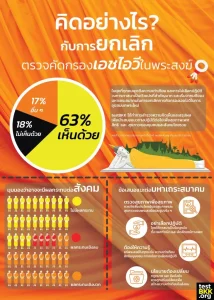

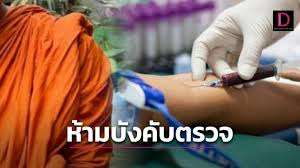
- On 10 April 2024, the Sangha Supreme Council resolved to abolish HIV screening as a condition for ordination, a significant change to promote diversity and non-discrimination within the Buddhist community.
The resolution is in line with modern medical understanding and human rights standards, emphasizing that being HIV-positive without showing symptoms of AIDS should not be a reason for religious or social discrimination.Reviewing national laws and Buddhist regulations, the Sangha Supreme Council affirms that practices that violate certain groups of people because of their HIV status are contrary to Buddhist teachings and human rights.
In another historic and unexpected news, a major resolution of the Sangha Supreme Council dated 10 April 2024, during its 10th annual meeting in 2024, considered the important topic of HIV screening in the context of ordination. This consideration arose from concerns raised during previous meetings about equality of practice and human rights, and is an interesting step forward.
Background of the Resolution
In July 2023, a complaint was filed by participants in an ordination ceremony during the Buddhist Lent, regarding mandatory HIV testing of those who would be ordained at Wat Pak Bo, On Nut, Bangkok. The policy clearly exempts those who test positive for HIV from being ordained, citing the nature of the disease as dangerous and incurable.
Legal and Ethical Aspects
The Sangha Supreme Council, with advice from legal experts and public health officials, reviewed the policy, taking into account national laws and regulations related to discrimination and human rights, and considered input from the National Office of Buddhism and the Ministry of Public Health.

Key findings
Health: The Ministry of Public Health clarified that HIV without AIDS symptoms should not be considered an infectious disease that must be excluded from social or religious practices.
Legal: The revised legal guidelines from the Medical Council were considered, emphasizing that non-disabled conditions, including HIV without AIDS symptoms, do not prevent a person from fulfilling their duties in employment or education, as does religious ordination.
Buddhism and human rights: Discrimination against a person based on a health condition that does not affect the ability to fulfill religious duties is inconsistent with Buddhist teachings and international human rights standards.
Resolution of the Supreme Sangha Council
The resolution acknowledged that forcing a person to undergo an HIV test as a prerequisite for ordination without reasonable cause violates personal rights, and emphasized the need for discretion and understanding in interpreting religious rules, regulations and practices related to a person’s health.
Moving forward
The decision of the Supreme Sangha Council is a progressive step to ensure that ordination is diverse and non-discriminatory, in line with broader social movements for equality and upholding the dignity of all people, regardless of HIV status.
testBKK.org supports this enlightened approach to the Sangha and would like to encourage continued dialogue and changes in practices outside of the religious community. To the working circle, private sector, government sector, to understand each other, sympathize, not discriminate and respect human rights.
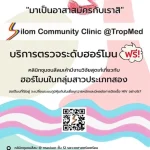
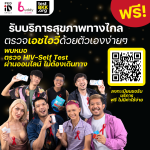
Although becoming a monk does not require HIV testing, for friends who still love to have fun and have activities as we do, whenever the sound comes, book a test with more than 35 partner clinics nationwide of testBKK.org at
SAFE PLAY PACK Giveaway Event Just comment on this article via the link below
https://www.menti.com/alxgb522o5t8
And here are the results that friends have answered (press ACCEPT to show results)