

For all my friends, no matter what kind of diversity we are in, whether LGBTQI+, youth or service providers, the topic in this blog that we will focus on is one thing only, sex! But we are not going to talk about sex, how to do it, what position to do to make it feel good. That depends on experience and training. But the interesting thing during the Covid outbreak, especially after Songkran, when there were big parties, people got infected with Covid and fell in droves. Yes, we will talk about safe sex in the Covid-19 era so that everyone can see some aspects of the relationship between Covid-19 and sexually transmitted diseases (STIs).
We already know Covid-19 well. Let's say we know it and remember it by heart because it has been many years and many waves that Covid-19 has developed into many strains. And another disease that we should not forget is sexually transmitted diseases, which are still a concern. Recently, it was reported that gonorrhea, which is a sexually transmitted disease, has developed a strain into
Drug-resistant gonorrhea

Yes, for those who have experienced gonorrhea, you will understand the difficulty of having pus flowing out, having a sore penis, and having a burning sensation when urinating. But then we encountered even more difficulty when gonorrhea became drug-resistant due to the overuse of antibiotics during this epidemic. Therefore, it is necessary for us to practice safe sex and get tested for STDs regularly, especially if you have sex with strangers or have had frequent sex partners.
It is well understood that talking about STDs still causes discomfort and there is still the problem of stigmatization that those who have the disease have bad behaviors. We must remind and stand together that
STI is not shameful.
In an interview with Dr. Ina Park, a specialist in STDs, she said:
“STDs are very common, and many people who get infected with them are not aware of it. Shame and stigma about STDs can prevent people from opening up to get tested and treated. This will lead to more serious health concerns.”
It is time to reduce these stigmas and make sexual health a priority.

So what should we do?
The first thing is to get tested regularly and make sure you practice safe sex. This means using condoms, dams or other barrier methods, as well as getting vaccinated against certain STDs, such as HPV (which causes anal cancer and genital warts in men). Another important thing is to be open and honest with your sexual partner when one of you is at risk of contracting an STD.
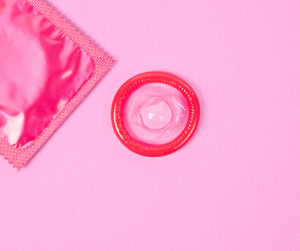
เพศสัมพันธ์อย่างปลอดภัยไม่ใช่เรื่องน่าเบื่อ!
There are many ways to have safe sex and still have fun, excitement, and excitement. When we have to prioritize sexual health, try new positions to join the activity. Try a variety of new and interesting protection devices, such as condoms, thin, changing scents, changing colors, or changing lubricants from normal to have a variety of scents and levels of viscosity. It can also help stimulate a good experience. You can also add playing with toys (even though it is not legal in Thailand, but almost every house has them, right?). Just make sure that our activities are safe and have the consent of everyone who participates.
When we have the right knowledge and information sources, we will see the importance of sexual health and take care of our own health, even during a global pandemic. And this is the sex we will talk about. And don't forget, have sex and have it safely. It's much more comfortable.
And don't forget, if anyone has a serious problem and wants to book a consultation with the partner clinics of testBKK at

Park, Ina. Strange Bedfellows: Adventures in the Science, History, and Surprising Secrets of STDs. New York, NY, Flatiron Books, 2021.
Forbes. “Super Gonorrhea May Be Spreading From Antibiotic Overuse For COVID-19 Coronavirus.” Forbes, 27 Dec. 2021, https://www.forbes.com/sites/brucelee/2021/12/27/super-gonorrhea-may-be-spreading-from-antibiotic-overuse-for-covid-19-coronavirus/?sh=6b4dba2075ba.
Centers for Disease Control and Prevention. “Gonorrhea – CDC Fact Sheet.” Centers for Disease Control and Prevention, 22 Nov. 2021, https://www.cdc.gov/std/gonorrhea/stdfact-gonorrhea.htm.