
Outbreaks of a virus called monkeypox are being reported in several countries where there have been no known cases. People who have close contact with an infected person are at risk. There have been reports of cases of men who have sex with men (MSM) having sex with strangers or with their partners, but the risk is not limited to this group.
This outbreak is a concern for those who do not have enough information, whether it is your partner, family or community. Getting the right information can help protect yourself and those around you.
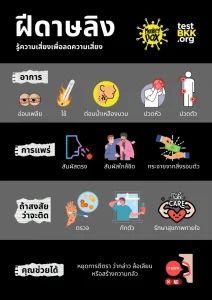
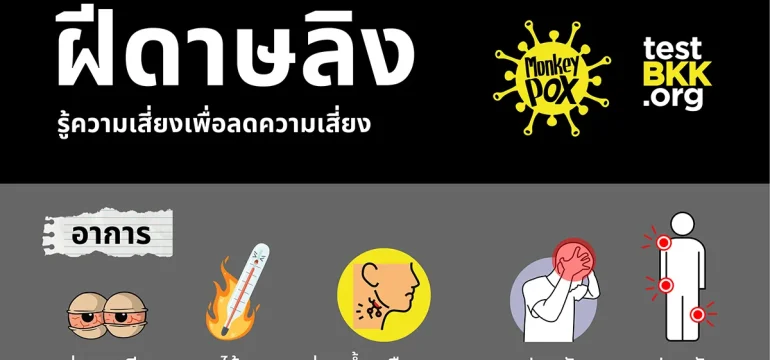
Know your risk to lower your risk
Symptoms
Fever
Swollen lymph nodes
Headache
Muscle aches
Fatigue
Transmission of infection
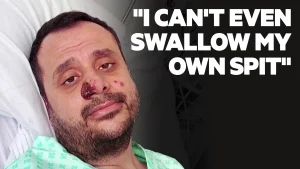
therealsilversteele
insider.com
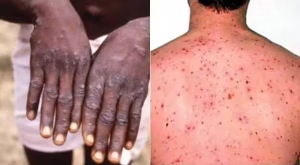
stock.adobe.com
stock.adobe.com
If you have been exposed to monkeypox or suspect symptoms
Seek medical advice and get tested
Self-isolate and avoid close contact with others (including sexual contact)
Take care of your symptoms and physical and mental health while you are self-isolating
You can help stop the spread.
Learn how monkeypox is affecting your community.
Share and disseminate accurate information from credible sources.
Don’t panic, take care of your mental health, and communicate openly with others.
Monkeypox is not something to be ashamed or guilty of.
Frequently Asked Questions
If you have symptoms or have been in close contact with someone who has monkeypox, contact your health care provider for advice. Get tested, isolate yourself when possible, and avoid close contact with others while you wait for your test results. Tell your health care provider if you think you may have monkeypox or if you have been exposed to monkeypox.
What to do if you test positive for monkeypox
If you test positive for monkeypox, you should isolate yourself from others until the rash has peeled off, scabbed over, and a new layer of skin forms. This will help protect others from infecting you.
Your health care provider will give you advice on how to care for yourself and whether you should stay home or in the hospital. Drink plenty of fluids, eat well, and get enough sleep. Take medication for pain and fever if needed. Take care of the rash. Avoid scratching. Keep the wound dry and ventilated. Clean the rash thoroughly with sterile water/antiseptic. If you have a sore in your mouth, rinse it with salt water and take a warm bath with baking soda/Epsom salt. If your symptoms do not improve, contact your health care provider immediately for advice.
If you have had close contact (including sex) in the past 21 days. Tell them about your symptoms so they know. Or if you don't feel comfortable spreading it yourself, contact a health care provider who can pass the information on to you.
How is monkeypox related to sex?
Monkeypox can be spread through any type of close contact. Kissing, touching, oral, vaginal or anal sex with an infected person. People who have a rash and symptoms should avoid sex until they have been tested for sexually transmitted infections (STIs) and monkeypox. Keep in mind that the rash can also be found in places that are hard to see, such as the mouth, throat, genitals, vagina and rectum, or inside the anus.
Monkeypox virus is found in bodily fluids such as semen. Since it is not yet known whether smallpox can be spread through semen or vaginal fluids, people who have recovered from monkeypox should use condoms during all forms of sex for 12 weeks after recovering from monkeypox. Wearing a condom will not protect you from getting monkeypox while you are symptomatic, but it will protect you and others from other STIs.
If possible, share contact information with your partner, even if you don't plan to see them again. You can get an alert if your partner has monkeypox symptoms, or you can alert them if you develop symptoms yourself. Reducing the number of sexual partners may also help reduce your risk.
How can we help those who are infected with monkeypox?
Having monkeypox can be distressing for those affected and those around you. If someone reveals to you that they have monkeypox, talk about it without judgment or assumptions about how they got it. Respect their needs and whether they want others to know about the illness.
Do everything you can to help those who are self-isolating, including shopping and checking in regularly. Some people may be struggling financially because they can’t work while they’re self-isolating. It’s helpful to provide support in the ways you can in your community.
Giving people the opportunity to talk about their concerns and feelings can also help. Encourage them to take care of their mental health, eat well, stay hydrated, and exercise when possible. Many people are sharing their experiences online to help reduce stigma and guilt.
How can I protect others if I have monkeypox?
If you have monkeypox, isolate yourself until you’re no longer infected. Your healthcare provider will help you decide whether you need to be treated in a hospital or at home, depending on the severity of your symptoms, whether you have risk factors that put you at risk of developing more severe symptoms, and what you can do to reduce the risk of spreading the virus to those you live with.
If you need to self-isolate at home, Protect others who live with you by:
• Isolate in a separate room
• Use a separate bathroom or clean it after each use
• Clean frequently touched surfaces with soap and water and household disinfectant, and avoid sweeping/vacuuming
• Separate containers, towels, belongings, electronics, and bedding
• Place clothing in plastic bags before moving it to the washing machine
• Open windows in your home to allow for good ventilation
If you can’t avoid being in one room, avoid contact, wash your hands frequently, cover the rash with clothing or bandages, wear a mask, and open windows to let air circulate.
Why are we seeing monkeypox spreading among LGBT and MSM?
The risk of monkeypox is not limited to men who have sex with men. People who have close contact with an infected person are at risk. Although there is evidence that sex between men who have sex with men has been linked to smallpox transmission in the past, some MSM are connected to sexual networks that span cities and countries, which may explain why we are seeing cases among them. As the virus continues to spread among them, experts and advocates are encouraging LGBT and MSM to be aware of symptoms and take precautions to protect themselves and others.
There is access to sexual health services for LGBT and MSM, which has been seen in this outbreak, as men seek testing at sexual health clinics.
Men who have access to antiretroviral drugs to treat or prevent HIV are also screened regularly for STDs. Regular access to health services can help detect monkeypox among them and provide an opportunity to deliver vaccines and reach those who need them.
Are people living with HIV at higher risk?
People with compromised immune systems may be at greater risk of developing severe disease from monkeypox. People living with HIV who know their status and access and use appropriate treatment can suppress the virus. This means their immune systems are less susceptible to other infections than those who are not treated. Studies are underway to better understand these questions. Currently, people living with HIV who have monkeypox in this outbreak do not have worse health outcomes than other groups.
For more information about monkeypox,
Read answers to the most frequently asked questions about monkeypox here , or read the World Health Organization fact sheet . Check your local government and community resources for updates on the situation near you. Organizations that support gay, bisexual, and men who have sex with men (MSM), as well as HIV advocacy organizations around the world, are leading the way in providing information and support to their communities to help prevent the spread of monkeypox. Information is also being provided by LGBTQIA+ organizations more broadly, which are central to efforts to address stigma and discrimination, and to share information.
If you are sexually active with multiple partners, get regular STI screenings and talk to your health care provider about getting PrEP.
Regular and timely access to health services When you have symptoms, it helps you get treatment in time and avoid spreading them to others.
Source: “Public Health Advice for Gay, Bisexual and Other Men Who Have Sex with Men on the Recent Outbreak of Monkeypox.” Public Health Advice for Gay, Bisexual and Other Men Who Have Sex with Men on the Recent Outbreak of Monkeypox, 18 July 2022
www.who.int/publications/m/item/monkeypox-public-health-advice-for-men-who-have-sex-with-menWritten by: Siripong SriChau